Balancing Work and Family Life: Wives and Economic Welfare Theory
Category : | Sub Category : Posted on 2024-10-05 22:25:23
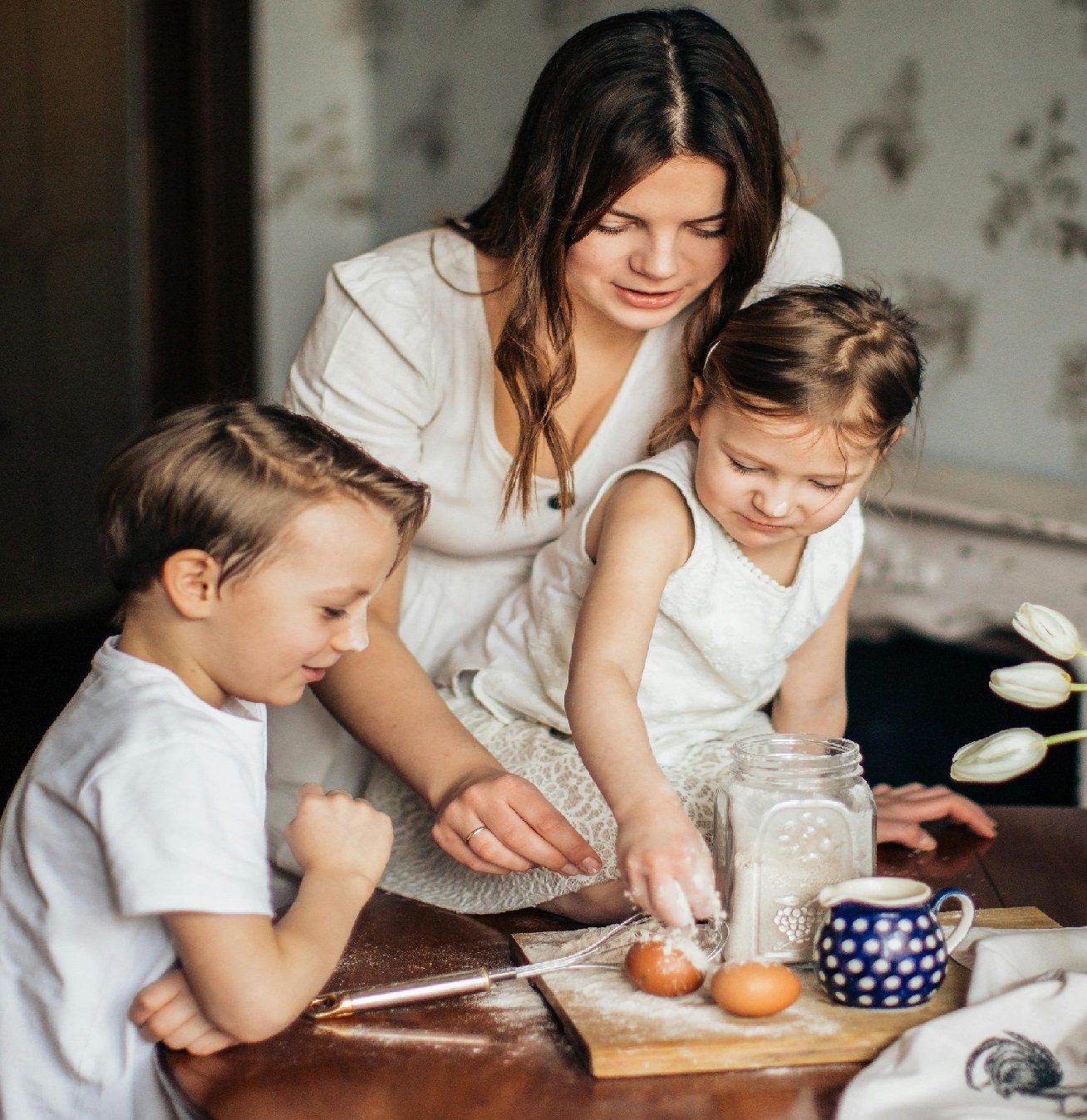
In the realm of economic welfare theory, there has been a growing recognition of the importance of considering the role of wives in balancing work and family responsibilities. Traditionally, women have been primarily responsible for caregiving and household tasks, which has often led them to make choices that may impact their economic well-being. However, with more women entering the workforce and pursuing careers, the dynamics of balancing work and family life have become increasingly complex. One key aspect of economic welfare theory is the concept of individual utility maximization. This theory posits that individuals make choices based on maximizing their overall well-being or utility. When it comes to wives balancing work and family responsibilities, this theory suggests that women must weigh the benefits and costs of their choices in order to maximize their overall utility. For many wives, the decision to balance work and family responsibilities can have a significant impact on their economic welfare. Working women often face challenges such as finding affordable and reliable childcare, managing household tasks, and dealing with societal expectations. These factors can influence the choices that women make in terms of their career paths, working hours, and overall well-being. In the context of economic welfare theory, policymakers and researchers are increasingly recognizing the need to support wives in balancing work and family responsibilities. Policies such as paid family leave, flexible work arrangements, and affordable childcare can help mitigate the challenges that women face in juggling multiple roles. By creating an enabling environment for wives to pursue their career goals while also fulfilling their caregiving responsibilities, policymakers can promote economic welfare and gender equality. In conclusion, the intersection of wives balancing work and family responsibilities with economic welfare theory highlights the complex dynamics that women navigate in today's society. By understanding the factors that influence women's choices and well-being, policymakers can work towards creating a more equitable and supportive environment for all individuals to thrive in both their professional and personal lives. Ultimately, by promoting policies that address the needs of working women, we can move closer towards achieving economic welfare for all members of society.
https://esposas.org
Leave a Comment:
SEARCH
Recent News
- Wool stoles are a versatile accessory that can add a touch of warmth and style to any outfit. Whether you're looking for a cozy layer to wrap around your shoulders on a chilly evening or a chic accent to drape over your arms at a formal event, wool stoles are a classic choice that never goes out of style.
- Winter is the perfect time to bundle up in cozy and stylish accessories, and one item that can elevate your winter wardrobe is a stunning stole. Wives who care about staying warm while looking chic will appreciate the versatility and elegance that a winter stole can bring to their outfits.
- The topic "wives_matters vancouver_business" seems to be a combination of two separate topics – one related to wives and their importance or role in society, and the other related to businesses in Vancouver. Let's explore these two topics separately:
- The UK government has recognized the importance of supporting wives in businesses by providing various business support programs tailored to their needs. These programs aim to help wives navigate the challenges of entrepreneurship and achieve success in their endeavors.
- Are you planning a trip to Turkmenistan and wondering about visa requirements for wives and spouses? Navigating visa regulations can be a complex process, especially when considering the specific circumstances of spouses traveling to Turkmenistan. In this blog post, we will delve into the essential information you need to know about Turkmenistan visas for wives and spouses.
- Turkish Residency for Foreign Wives: A Comprehensive Guide
- Women's Rights in Tunisia: A Look at Progress and Challenges
- Exploring the vibrant country of Tunisia is an exhilarating experience, filled with rich history, stunning landscapes, and warm hospitality. While many travel guides focus on the popular tourist attractions and cultural sites, this Tunisian travel guide will take a different approach. In this blog post, we will shed light on the significance of the wives of Tunisia in shaping and preserving the country's unique cultural heritage.
READ MORE
11 months ago Category :

Wool stoles are a versatile accessory that can add a touch of warmth and style to any outfit. Whether you're looking for a cozy layer to wrap around your shoulders on a chilly evening or a chic accent to drape over your arms at a formal event, wool stoles are a classic choice that never goes out of style.
Read More →11 months ago Category :

Winter is the perfect time to bundle up in cozy and stylish accessories, and one item that can elevate your winter wardrobe is a stunning stole. Wives who care about staying warm while looking chic will appreciate the versatility and elegance that a winter stole can bring to their outfits.
Read More →11 months ago Category :

The topic "wives_matters vancouver_business" seems to be a combination of two separate topics – one related to wives and their importance or role in society, and the other related to businesses in Vancouver. Let's explore these two topics separately:
Read More →11 months ago Category :
