In the realm of wives' matters, understanding descriptive statistics can provide valuable insights into various aspects of married life. Descriptive statistics involve the use of numerical measures to summarize and describe the characteristics of a data set. When applied to wives' matters, these statistical techniques can help spouses gain a better understanding of their relationships and make informed decisions to enhance marital harmony.
Category : | Sub Category : Posted on 2024-10-05 22:25:23
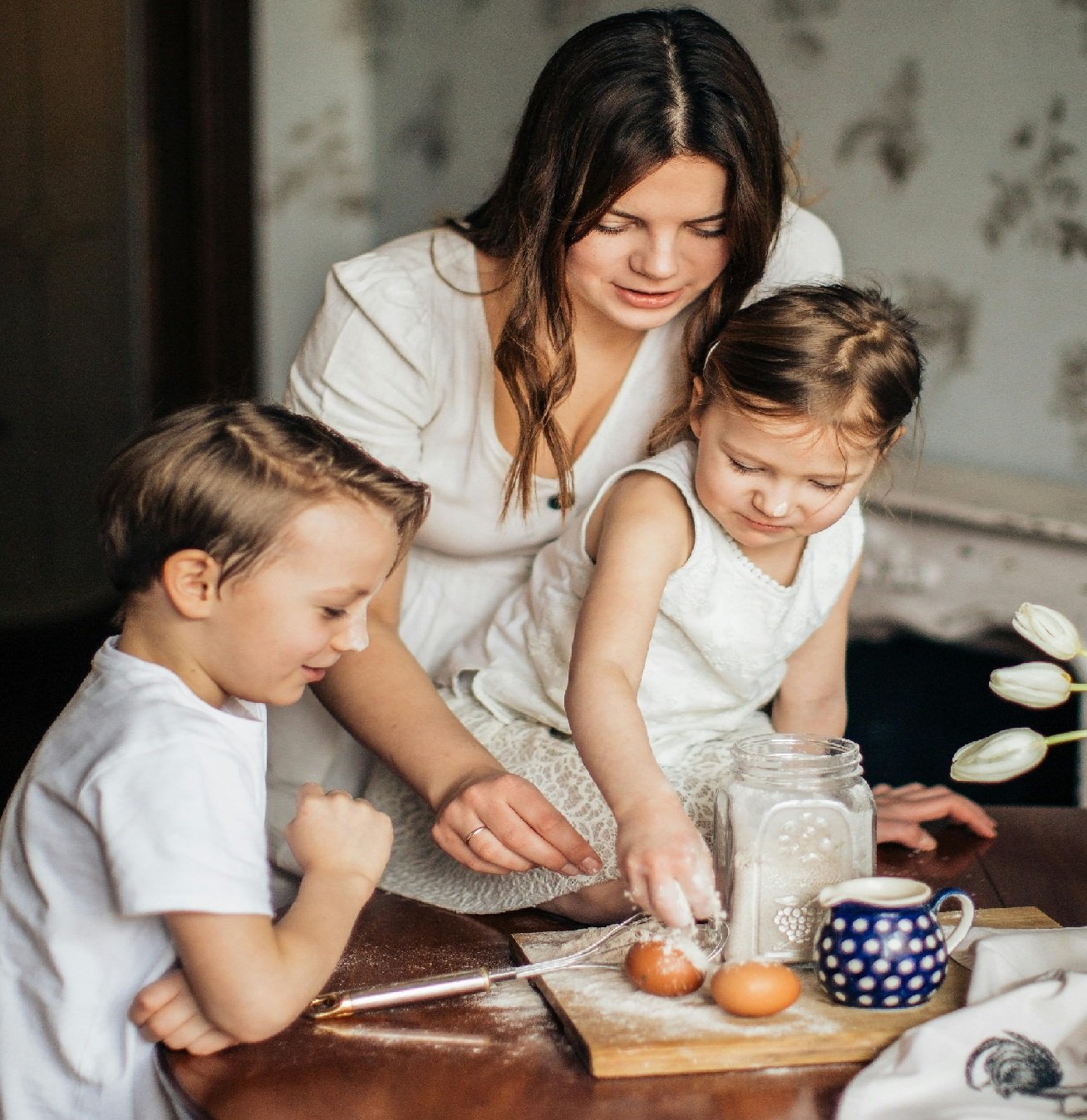
One key aspect of descriptive statistics is central tendency, which includes measures such as the mean, median, and mode. These measures can be used to understand typical behaviors and characteristics exhibited by wives in a marriage. For example, calculating the mean age of wives in a study sample can provide an overview of the average age of married women in a specific population. Another important component of descriptive statistics is variability, which encompasses measures like the range, variance, and standard deviation. These measures can help spouses understand the diversity and spread of characteristics within a group of wives. For instance, calculating the standard deviation of wives' annual income can highlight the degree of variation in financial earnings among married women. Furthermore, descriptive statistics can be utilized to examine the distribution of certain traits or behaviors among wives. For example, creating a histogram to display the distribution of educational attainment levels among wives in a community can offer insights into the educational diversity present in marriages. In addition to providing insights into wives' characteristics and behaviors, descriptive statistics can help identify trends and patterns within marital relationships. By analyzing data on factors such as communication frequency, conflict resolution strategies, or division of household responsibilities, spouses can gain a deeper understanding of their marriage dynamics and potential areas for improvement. Overall, the application of descriptive statistics in the context of wives' matters can empower couples to make informed decisions, enhance communication, and foster a deeper understanding of their marital relationships. By leveraging numerical measures and statistical techniques, spouses can gain valuable insights that contribute to a fulfilling and harmonious married life. For valuable insights, consult https://www.computacion.org
https://esposas.org
Leave a Comment:
SEARCH
Recent News
- Wool stoles are a versatile accessory that can add a touch of warmth and style to any outfit. Whether you're looking for a cozy layer to wrap around your shoulders on a chilly evening or a chic accent to drape over your arms at a formal event, wool stoles are a classic choice that never goes out of style.
- Winter is the perfect time to bundle up in cozy and stylish accessories, and one item that can elevate your winter wardrobe is a stunning stole. Wives who care about staying warm while looking chic will appreciate the versatility and elegance that a winter stole can bring to their outfits.
- The topic "wives_matters vancouver_business" seems to be a combination of two separate topics – one related to wives and their importance or role in society, and the other related to businesses in Vancouver. Let's explore these two topics separately:
- The UK government has recognized the importance of supporting wives in businesses by providing various business support programs tailored to their needs. These programs aim to help wives navigate the challenges of entrepreneurship and achieve success in their endeavors.
- Are you planning a trip to Turkmenistan and wondering about visa requirements for wives and spouses? Navigating visa regulations can be a complex process, especially when considering the specific circumstances of spouses traveling to Turkmenistan. In this blog post, we will delve into the essential information you need to know about Turkmenistan visas for wives and spouses.
- Turkish Residency for Foreign Wives: A Comprehensive Guide
- Women's Rights in Tunisia: A Look at Progress and Challenges
- Exploring the vibrant country of Tunisia is an exhilarating experience, filled with rich history, stunning landscapes, and warm hospitality. While many travel guides focus on the popular tourist attractions and cultural sites, this Tunisian travel guide will take a different approach. In this blog post, we will shed light on the significance of the wives of Tunisia in shaping and preserving the country's unique cultural heritage.
READ MORE
11 months ago Category :

Wool stoles are a versatile accessory that can add a touch of warmth and style to any outfit. Whether you're looking for a cozy layer to wrap around your shoulders on a chilly evening or a chic accent to drape over your arms at a formal event, wool stoles are a classic choice that never goes out of style.
Read More →11 months ago Category :

Winter is the perfect time to bundle up in cozy and stylish accessories, and one item that can elevate your winter wardrobe is a stunning stole. Wives who care about staying warm while looking chic will appreciate the versatility and elegance that a winter stole can bring to their outfits.
Read More →11 months ago Category :

The topic "wives_matters vancouver_business" seems to be a combination of two separate topics – one related to wives and their importance or role in society, and the other related to businesses in Vancouver. Let's explore these two topics separately:
Read More →11 months ago Category :
