The Evolution of Women's Fashion: A Brief History of Wives' Fashion
Category : | Sub Category : Posted on 2024-10-05 22:25:23
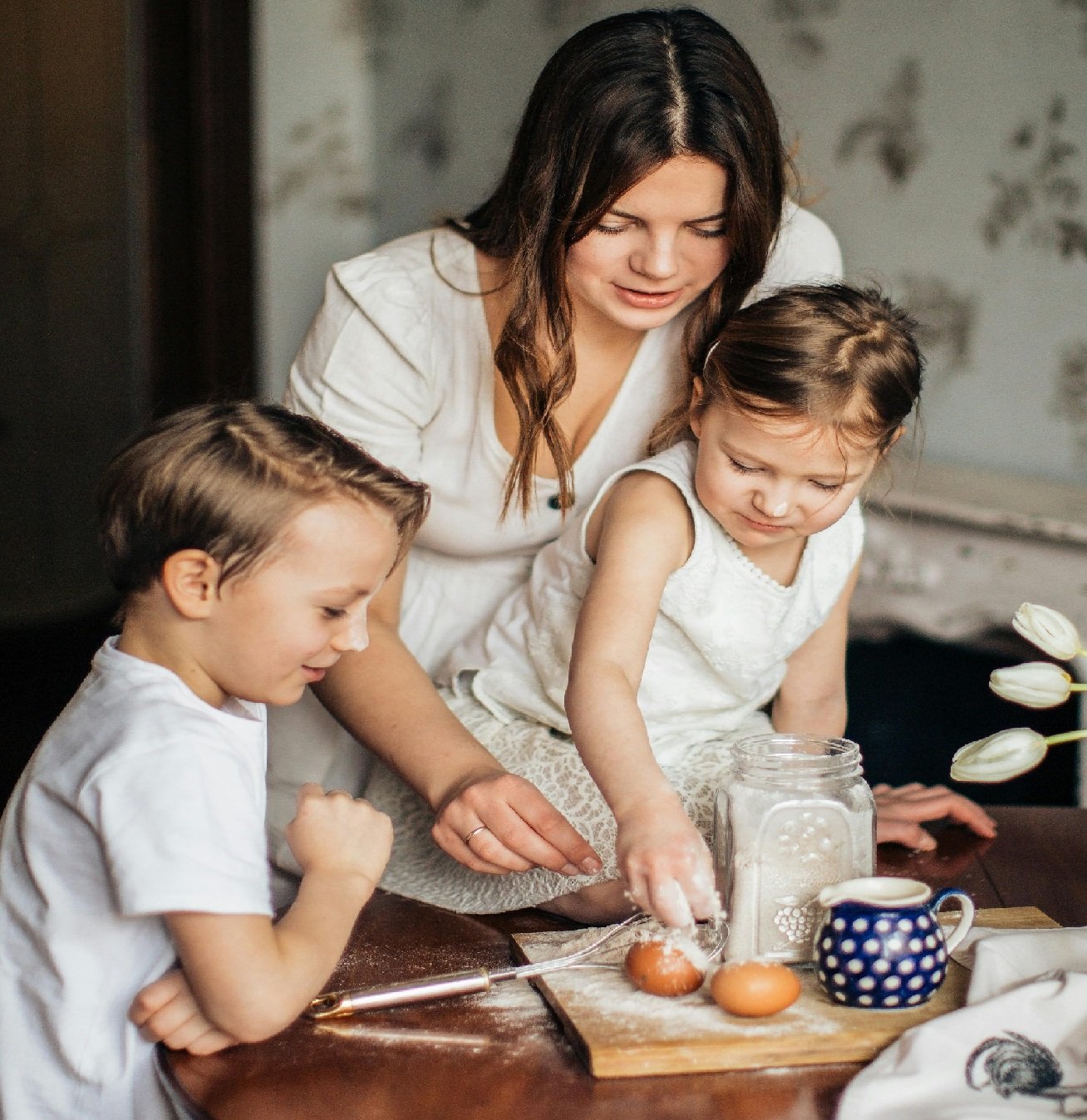
When we think of women's fashion throughout history, we often focus on the iconic trends and styles that have shaped the way women present themselves to the world. But what about the fashion choices of wives throughout the ages? Wives have played a vital role in society, and their fashion choices have reflected the social norms and values of their time. Let's take a journey through the history of wives' fashion to explore how their style has evolved over the years. Medieval Era (5th to 15th century) During the medieval era, wives of noble families often dressed in elaborate gowns made of luxurious fabrics such as silk and velvet. These gowns were typically adorned with intricate embroidery and embellishments, symbolizing the wealth and status of the wearer. Married women also wore head coverings, such as veils or wimples, as a sign of modesty and respectability. Renaissance Period (14th to 17th century) In the Renaissance period, wives' fashion became more refined and elegant. Women began to wear corsets to achieve a slim waist and a flowing silhouette. Wives of the upper class wore elaborate gowns with voluminous skirts and intricate patterns, while lower-class wives dressed more simply in practical clothing suitable for their daily tasks. Victorian Era (19th century) The Victorian era was characterized by modesty and conservatism in fashion. Wives of the time wore full-length dresses with high necklines and long sleeves to cover their arms and décolletage. Corsets remained a popular undergarment, shaping the waist into an hourglass figure. Married women also wore bonnets or elaborate hats when out in public as a symbol of respectability. Roaring Twenties (1920s) The 1920s saw a dramatic shift in wives' fashion with the rise of the "flapper" style. Women embraced shorter hemlines, looser silhouettes, and dropped waists, rejecting the restrictive clothing of previous decades. Wives embraced a more casual and youthful look, often opting for dresses made of lightweight fabrics like chiffon and silk. Post-War Era (1950s) In the post-war era of the 1950s, wives' fashion took a more feminine and glamorous turn. The hourglass silhouette was back in style, with full skirts, nipped-in waists, and emphasized busts. Wives often wore dresses with floral patterns, pastel colors, and delicate accessories like gloves and pearls. Modern Times Today, wives' fashion is more diverse and varied than ever before. Women have the freedom to express their individuality through their clothing choices, whether it be through casual jeans and t-shirts or formal evening gowns. The definition of a "wife" has also evolved, with many women choosing to balance their roles as wives with careers and other pursuits, influencing their fashion choices accordingly. In conclusion, the history of wives' fashion is a fascinating journey through the changing roles and expectations placed on women throughout the ages. From the opulence of medieval gowns to the freedom of modern-day styles, wives' fashion has always been a reflection of the times in which they lived. As we continue to celebrate women's empowerment and equality, let us remember the women who came before us and how their fashion choices told their stories. Stay tuned for more fashion histories and style guides on our blog.
https://esposas.org
Leave a Comment:
SEARCH
Recent News
- Wool stoles are a versatile accessory that can add a touch of warmth and style to any outfit. Whether you're looking for a cozy layer to wrap around your shoulders on a chilly evening or a chic accent to drape over your arms at a formal event, wool stoles are a classic choice that never goes out of style.
- Winter is the perfect time to bundle up in cozy and stylish accessories, and one item that can elevate your winter wardrobe is a stunning stole. Wives who care about staying warm while looking chic will appreciate the versatility and elegance that a winter stole can bring to their outfits.
- The topic "wives_matters vancouver_business" seems to be a combination of two separate topics – one related to wives and their importance or role in society, and the other related to businesses in Vancouver. Let's explore these two topics separately:
- The UK government has recognized the importance of supporting wives in businesses by providing various business support programs tailored to their needs. These programs aim to help wives navigate the challenges of entrepreneurship and achieve success in their endeavors.
- Are you planning a trip to Turkmenistan and wondering about visa requirements for wives and spouses? Navigating visa regulations can be a complex process, especially when considering the specific circumstances of spouses traveling to Turkmenistan. In this blog post, we will delve into the essential information you need to know about Turkmenistan visas for wives and spouses.
- Turkish Residency for Foreign Wives: A Comprehensive Guide
- Women's Rights in Tunisia: A Look at Progress and Challenges
- Exploring the vibrant country of Tunisia is an exhilarating experience, filled with rich history, stunning landscapes, and warm hospitality. While many travel guides focus on the popular tourist attractions and cultural sites, this Tunisian travel guide will take a different approach. In this blog post, we will shed light on the significance of the wives of Tunisia in shaping and preserving the country's unique cultural heritage.
READ MORE
11 months ago Category :

Wool stoles are a versatile accessory that can add a touch of warmth and style to any outfit. Whether you're looking for a cozy layer to wrap around your shoulders on a chilly evening or a chic accent to drape over your arms at a formal event, wool stoles are a classic choice that never goes out of style.
Read More →11 months ago Category :

Winter is the perfect time to bundle up in cozy and stylish accessories, and one item that can elevate your winter wardrobe is a stunning stole. Wives who care about staying warm while looking chic will appreciate the versatility and elegance that a winter stole can bring to their outfits.
Read More →11 months ago Category :

The topic "wives_matters vancouver_business" seems to be a combination of two separate topics – one related to wives and their importance or role in society, and the other related to businesses in Vancouver. Let's explore these two topics separately:
Read More →11 months ago Category :
