Understanding the Connection between Women's Health and Sleep Issues
Category : | Sub Category : Posted on 2024-10-05 22:25:23
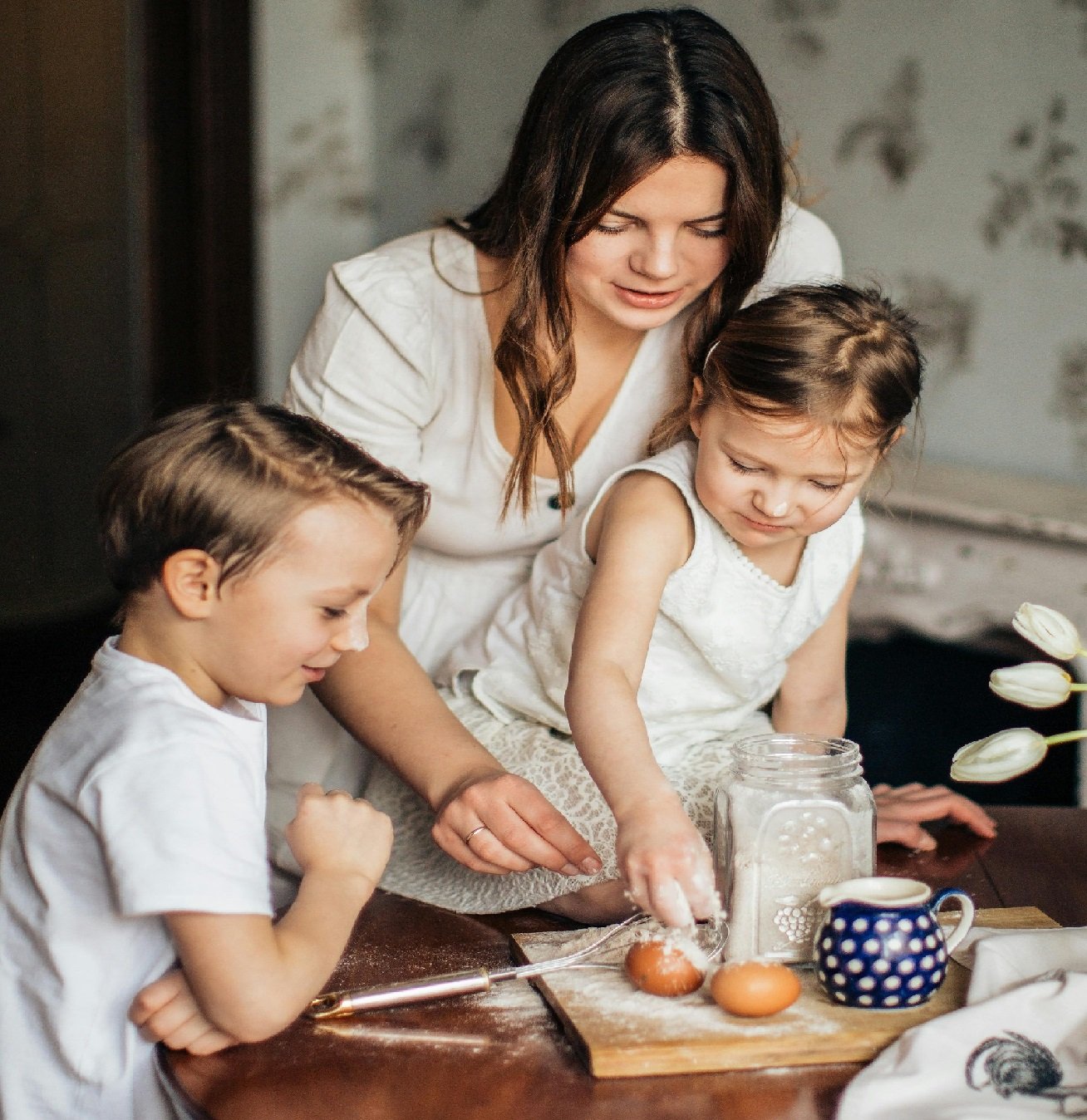
Sleep plays a vital role in overall health and well-being, yet many women struggle with getting a good night's rest. In fact, female sleep issues often go unnoticed or are dismissed as part of a busy lifestyle. However, the impact of poor sleep on women's health can be significant and should not be ignored. One of the main factors contributing to sleep issues in women is the unique biological makeup of the female body. Hormonal fluctuations throughout the menstrual cycle, pregnancy, and menopause can all affect sleep patterns. During certain times of the month, women may experience difficulty falling asleep, staying asleep, or waking up feeling rested. Similarly, the hormonal changes associated with pregnancy and menopause can disrupt sleep and lead to issues such as insomnia or sleep apnea. In addition to hormonal factors, women also face specific challenges that can impact their ability to get quality sleep. For example, the demands of balancing work, family, and personal responsibilities can lead to stress and anxiety, which are common contributors to sleep problems. Furthermore, societal expectations and gender norms may put pressure on women to prioritize caregiving and household duties over self-care, including getting enough rest. It is important for women to prioritize their sleep health and recognize the connection between sleep and overall well-being. Chronic sleep deprivation has been linked to a variety of health issues, including obesity, heart disease, diabetes, and mental health disorders. By addressing sleep issues early on and implementing healthy sleep habits, women can improve their quality of life and reduce their risk of developing serious health conditions. If you are a woman struggling with sleep problems, there are several steps you can take to improve your sleep hygiene. Establishing a bedtime routine, creating a comfortable sleep environment, and practicing relaxation techniques before bed can all help promote better sleep. Additionally, consulting with a healthcare provider or sleep specialist may be beneficial in identifying and addressing any underlying sleep disorders. In conclusion, women's health and sleep issues are closely intertwined, and it is essential for women to prioritize their sleep in order to maintain overall health and well-being. By recognizing the factors that contribute to sleep problems and taking proactive steps to improve sleep quality, women can enhance their quality of life and reduce their risk of developing health complications in the long run. Remember, a good night's sleep is not a luxury – it's a necessity for a healthy and fulfilling life.
https://esposas.org
Leave a Comment:
SEARCH
Recent News
- Wool stoles are a versatile accessory that can add a touch of warmth and style to any outfit. Whether you're looking for a cozy layer to wrap around your shoulders on a chilly evening or a chic accent to drape over your arms at a formal event, wool stoles are a classic choice that never goes out of style.
- Winter is the perfect time to bundle up in cozy and stylish accessories, and one item that can elevate your winter wardrobe is a stunning stole. Wives who care about staying warm while looking chic will appreciate the versatility and elegance that a winter stole can bring to their outfits.
- The topic "wives_matters vancouver_business" seems to be a combination of two separate topics – one related to wives and their importance or role in society, and the other related to businesses in Vancouver. Let's explore these two topics separately:
- The UK government has recognized the importance of supporting wives in businesses by providing various business support programs tailored to their needs. These programs aim to help wives navigate the challenges of entrepreneurship and achieve success in their endeavors.
- Are you planning a trip to Turkmenistan and wondering about visa requirements for wives and spouses? Navigating visa regulations can be a complex process, especially when considering the specific circumstances of spouses traveling to Turkmenistan. In this blog post, we will delve into the essential information you need to know about Turkmenistan visas for wives and spouses.
- Turkish Residency for Foreign Wives: A Comprehensive Guide
- Women's Rights in Tunisia: A Look at Progress and Challenges
- Exploring the vibrant country of Tunisia is an exhilarating experience, filled with rich history, stunning landscapes, and warm hospitality. While many travel guides focus on the popular tourist attractions and cultural sites, this Tunisian travel guide will take a different approach. In this blog post, we will shed light on the significance of the wives of Tunisia in shaping and preserving the country's unique cultural heritage.
READ MORE
11 months ago Category :

Wool stoles are a versatile accessory that can add a touch of warmth and style to any outfit. Whether you're looking for a cozy layer to wrap around your shoulders on a chilly evening or a chic accent to drape over your arms at a formal event, wool stoles are a classic choice that never goes out of style.
Read More →11 months ago Category :

Winter is the perfect time to bundle up in cozy and stylish accessories, and one item that can elevate your winter wardrobe is a stunning stole. Wives who care about staying warm while looking chic will appreciate the versatility and elegance that a winter stole can bring to their outfits.
Read More →11 months ago Category :

The topic "wives_matters vancouver_business" seems to be a combination of two separate topics – one related to wives and their importance or role in society, and the other related to businesses in Vancouver. Let's explore these two topics separately:
Read More →11 months ago Category :
